
When the popular vote winner lost the Electoral College
Why Does This Happen?
Under the U.S. Constitution, the president is chosen by 538 electors allocated among the 50 states and Washington, D.C. Because 48 states and D.C. use a winner-take-all rule, racking up lopsided victory margins in large states (like California or Texas) yields zero extra electoral votes. A candidate who wins competitive swing states by razor-thin margins can capture an Electoral College majority even with fewer total votes nationwide.
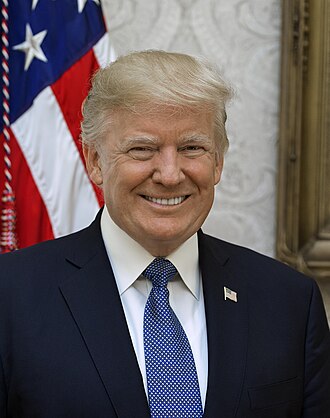
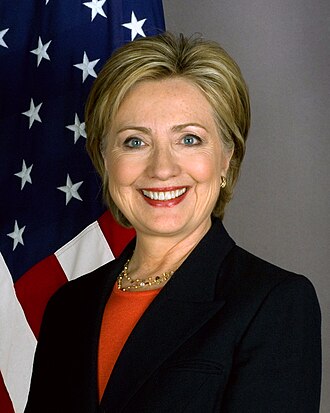
Donald Trump def. Hillary Clinton
Donald Trump flipped six states that had voted for Barack Obama in 2012 (Florida, Iowa, Michigan, Ohio, Pennsylvania, Wisconsin). While Hillary Clinton built massive pluralities in California and New York, Trump captured 30.5 states and reached 304 electoral votes.
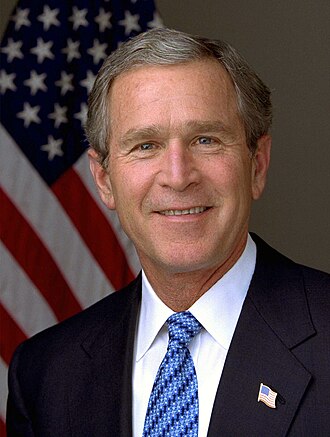
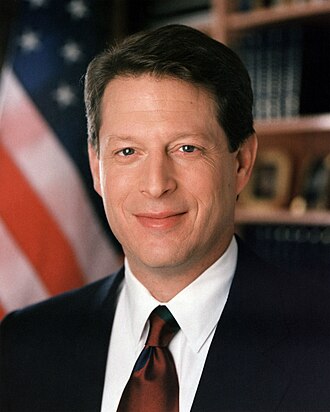
George W. Bush def. Al Gore
The entire 2000 election hung on Florida's 25 electoral votes. Following a contentious 36-day recount saga and legal challenges over punch-card 'hanging chads', the U.S. Supreme Court halted the recount, granting Bush the victory 271 to 266.
Benjamin Harrison def. Grover Cleveland
Incumbent President Grover Cleveland piled up massive victory margins in the post-Reconstruction South. However, Harrison swept the industrial North and narrowly captured New York's 36 electoral votes, winning the Electoral College despite losing the national vote.
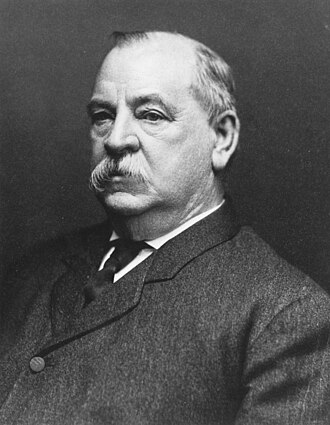
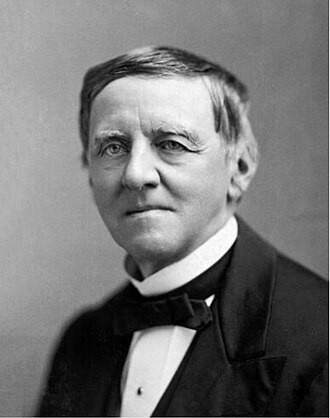
Rutherford B. Hayes def. Samuel J. Tilden
The most controversial election in American history. Tilden won an outright majority of the popular vote (50.9%). Disputed returns from Florida, Louisiana, and South Carolina prompted Congress to create a 15-member commission. In the Compromise of 1877, all 20 votes were awarded to Hayes in exchange for withdrawing federal troops from the South.
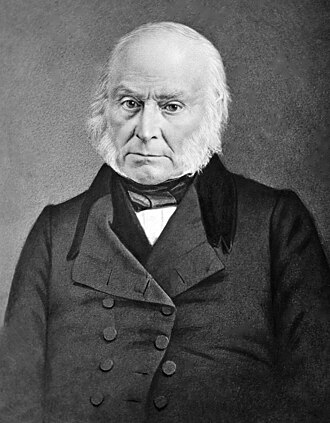
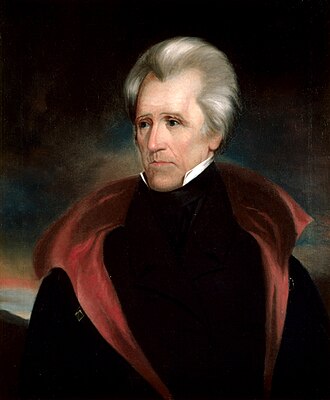
John Quincy Adams def. Andrew Jackson
Four candidates split the electoral votes, leaving no one with the 131 EV required to win. Under the 12th Amendment, the House of Representatives voted by state delegation. Speaker Henry Clay threw his support to Adams, who won the presidency and later appointed Clay Secretary of State.
Could a Split Happen in 2028?
With razor-thin margins in battleground states like Pennsylvania, Georgia, and Wisconsin, the Electoral College could easily diverge again.