
The closest presidential races in American history
The Tipping Point Concept
In the Electoral College, the tipping-point state is the state that puts the winning candidate over the 270 threshold when states are arranged in order of margin. Because winner-take-all rules amplify tiny shifts, the winner of the White House often depends on fewer than 100,000 voters in just two or three swing states.
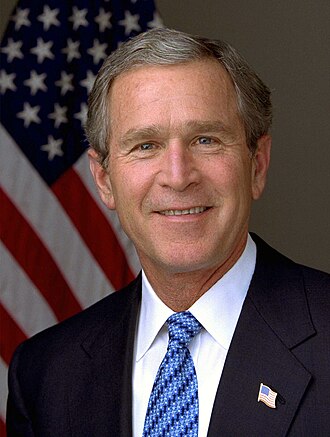
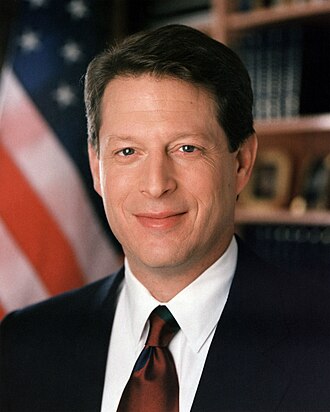
George W. Bush (R) vs Al Gore (D)
The definitive nail-biter of modern American politics. Whoever won Florida's 25 electoral votes would win the presidency. After a month-long recount marked by disputes over punch cards and ballot design, the Supreme Court ruled 5–4 in Bush v. Gore, handing Bush Florida by 537 votes out of nearly 6 million cast.
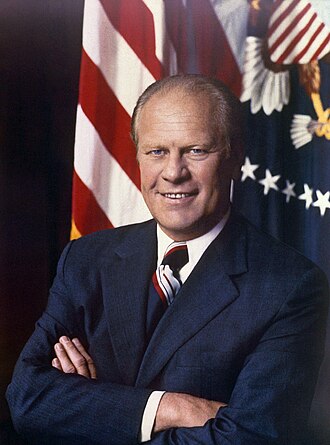
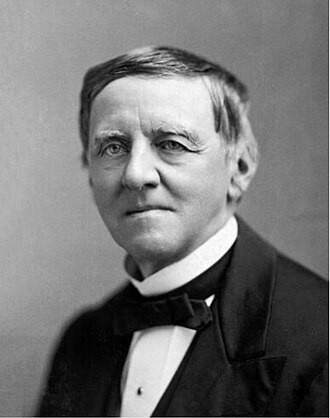
Rutherford B. Hayes (R) vs Samuel J. Tilden (D)
The narrowest Electoral College margin ever (185 to 184). Democrat Samuel Tilden held 184 uncontested electoral votes (just one shy of 185 to win). A 15-member bipartisan commission awarded all 20 disputed electors across three Southern states to Hayes as part of the historic Compromise of 1877.
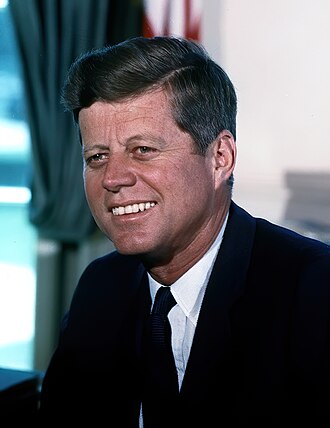
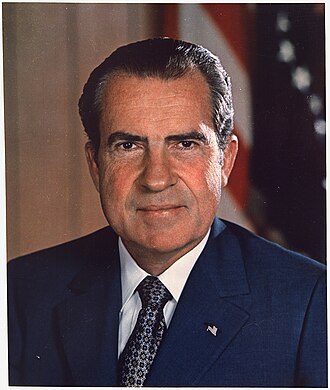
John F. Kennedy (D) vs Richard Nixon (R)
While the final Electoral College margin looked comfortable, JFK's national popular vote margin was a microscopic 0.17%. A shift of just 4,500 votes in Illinois and 24,000 votes in Texas would have made Richard Nixon president.
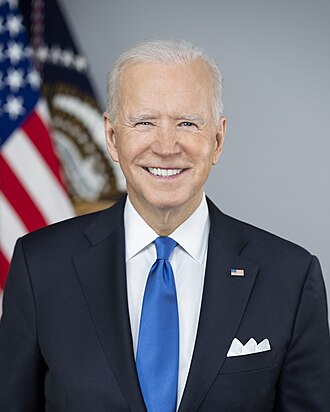

Joe Biden (D) vs Donald Trump (R)
Although Biden won the national popular vote by more than 7 million votes (51.3% to 46.8%), the Electoral College was extraordinarily tight. A combined shift of roughly 43,000 votes across Wisconsin (20,682), Georgia (11,779), and Arizona (10,457) would have resulted in a 269–269 tie.
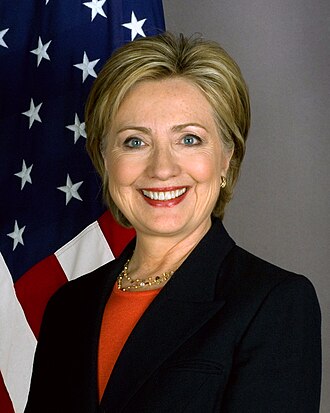
Donald Trump (R) vs Hillary Clinton (D)
Donald Trump won the Electoral College despite trailing by 2.87 million votes nationally. The decisive states were the three 'Blue Wall' states: Michigan (10,704 votes, 0.23%), Wisconsin (22,748 votes, 0.77%), and Pennsylvania (44,292 votes, 0.72%).
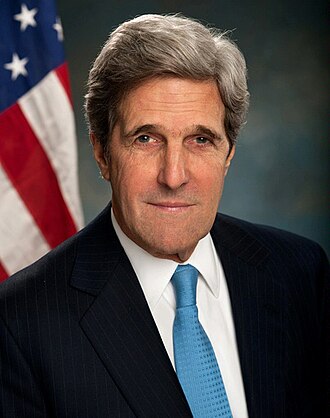
George W. Bush (R) vs John Kerry (D)
The entire 2004 race hinged on Ohio. If John Kerry had flipped Ohio's 20 electoral votes, he would have won the presidency 271 to 266, despite trailing George W. Bush by 3 million votes in the national popular tally.
What If 2028 Ends in a 269–269 Tie?
If the battleground splits evenly, Congress decides under the 12th Amendment. Read our guide on how a contingent election works.